
TL;DR
A headphone dent in the head is a temporary mark in your hair, skin, and soft tissue where the headband pressed. It isn’t a dent in your skull, and it usually fades within minutes to a few hours. Loosen the headband, take breaks, and choose a soft, wide band. See a doctor if a dent lasts, hurts, swells, or follows a head injury.
You take off your headphones, and a groove runs across your head. So, what is a headphone dent in your head? It’s a temporary mark where the headband pressed on your hair, skin, and soft tissue. Your skull bone doesn’t change. For most people, the mark fades in minutes to a few hours. Below, you’ll learn why it happens, how to speed up the fix, and when a dent needs a doctor.
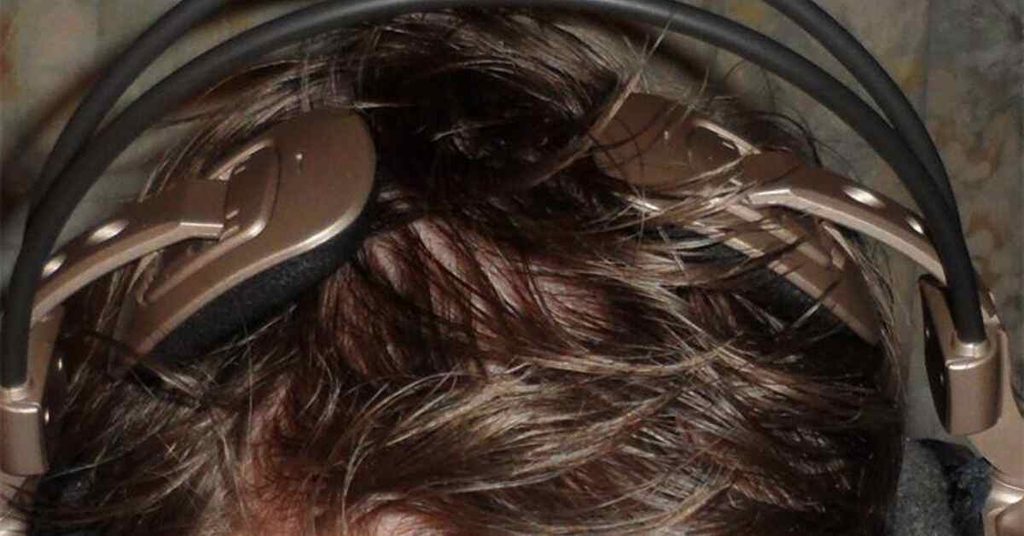
What Is a Headphone Dent in a Head?
Dents on headphone cables are temporary lines or grooves left behind by headbands. People also call it a headset dent, a gamer dent, or headphone hair. It forms where the band presses longest.
Not every mark is the same. Here’s a quick guide:
| What you see | What’s happening | How long it usually lasts |
| A flat line in your hair | Hair is pressed down and stuck together by sweat or oil | Until you rinse, wet, or restyle it |
| A groove in your skin | Skin and the soft layer under it are squeezed | Minutes to a few hours |
| A red or sore line | The skin is irritated by pressure | Usually fades, but rest the area |
| A dent that stays for a day or more | Likely not caused by headphones | See a doctor |
Why Do Headphones Leave a Dent on Your Head?
Your scalp has several layers. On top are hair and skin. Under the skin sits a thin layer of fat and connective tissue. Under that is bone.
The headband squeezes the soft layers between itself and the bone. It works like a sock mark on your leg. When you take the band off, the tissue slowly springs back.
Can headphones permanently dent your skull?
In adults, no. Headphone pressure only reaches soft tissue, not the skull bone. The dent in the bone is merely the result of temporary changes to the hair, skin, and fat of the body.
Children are a special case. Use child-sized, light headphones for them, and give them regular breaks. While a dent should still only be temporary, that’s good practice for comfort.
What makes a headphone dent worse?
Several things raise the chance of a mark:
- A tight headband. Strong clamping force presses harder on one spot.
- Heavy headphones. More weight pushes down on the same area.
- Thin or hard padding. Less cushion means more concentrated pressure.
- Long sessions. Hours in one position let the tissue stay compressed.
- Sweat and heat. They make hair flatten and stick together.
- Short or no hair. Skin shows the mark more clearly.
- Wearing the band in the same spot every time.
How Long Does a Headphone Dent Last?
Most dents fade within minutes to a few hours after you take the headphones off. Flattened hair may last longer because it stays stuck until you wash, wet, or restyle it.
The mark should keep improving as time passes. Take it to the store if the dent remains a day or more after you stop wearing headphones. A pressure mark shouldn’t stay that long.
How Do You Get Rid of a Headphone Dent Fast?
Try this quick routine, especially before a video call:
- Take the headphones off. The tissue can’t recover while it’s still under pressure.
- Massage gently. Use your fingertips in small circles across the groove for about a minute.
- Lift your hair. Comb or brush it back and forth, not just in one direction.
- Wet your hair lightly. A damp comb or a quick spray helps the strands relax.
- Blow-dry on a medium setting. Dry it while you brush it into your usual style.
- Rinse if needed. If sweat or oil is making your hair stick, a quick wash helps it reset.
- Be patient. Skin marks usually fade on their own.
Skip anything harsh. Don’t scrub the skin or press hard on a sore spot.
How Can You Prevent a Headphone Dent?
You can’t always avoid a mark on a long gaming or work session. Still, these steps help a lot:
- Loosen the headband. Aim for the loosest fit that stays in place.
- Move the band. Shift it slightly every 30 to 60 minutes so it doesn’t press the same line.
- Take breaks. Remove the headphones for a few minutes every hour or so.
- Pick a better band. Look for a wide, soft headband or a suspension-style strap that spreads weight.
- Choose lighter headphones. Less weight means less pressure.
- Add padding. Some people use a thin headband cover. Check that it doesn’t make the fit tighter.
- Switch styles on long days. Earbuds or open-ear designs avoid the headband entirely.
Which headphone types are least likely to leave a dent?
| Headphone type | Dent risk | Why |
| Over-ear, strong clamp, thin band | Higher | Pressure focuses on one narrow line |
| Over-ear, wide padded or suspension band | Lower | Weight spreads over a larger area |
| On-ear | Medium | Less on top of the head, but more ear pressure |
| Earbuds | None from a band | There’s no headband |
| Open-ear or behind-the-neck styles | Low | They don’t rest on top of your head |
Can Headphones Cause Headaches Too?
Yes, for some people. Tight headwear can trigger an external compression headache. Mayo Clinic lists headphones among the causes, along with helmets, hats, and goggles.
This kind of headache feels like steady pressure at the spot where the gear presses. It usually fades within about an hour after you remove the pressure. Some people are simply more sensitive than others.
If you get these headaches, loosen the headband, take breaks, and try a lighter pair. Talk to a doctor if the headache doesn’t ease after you remove the headphones, or if it keeps coming back.
When Should You See a Doctor About a Dent in Your Head?
Headphones are rarely the cause of a serious problem. Still, don’t blame them for everything. This section is general information, not medical advice.
Talk to a doctor if:
- A dent stays even when you haven’t worn headphones.
- A dent appeared after a head injury.
- The spot is painful, swollen, bruised, or warm.
- The dent grows or changes shape.
- You have numbness, skin damage, a rash, or patchy hair loss where the band sits.
- Headaches keep coming back or don’t ease after you remove the headphones.
Get urgent care after any head injury that comes with confusion, repeated vomiting, vision changes, or severe headache.
Conclusion
A headphone dent in your head looks dramatic, but it’s almost always a temporary mark in your hair and soft tissue. It fades on its own, and you can speed it up with a gentle massage and a quick hair reset. To prevent it, loosen the band, take breaks, and choose a lighter pair with a wide, soft headband.
Try one change today, like moving the band every hour. Then explore more comfort-focused audio guides at Techprixo, and share this article with a friend who always has a groove in their hair after gaming.
FAQ
Headphones can leave a temporary dent in your hair, skin, and soft tissue. The headband compresses these layers, much like a sock leaves a mark on your leg. Underneath, adult skull bone doesn’t change. Most marks fade within minutes to a few hours after you take the headphones off.
Most headphone dents fade within minutes to a few hours after you remove the headphones. Flattened hair may take longer, until you wash, wet, or restyle it. If a dent is still there a day or more after you stop wearing headphones, get it checked by a doctor.
Take the headphones off and gently massage the area with your fingertips. Then wet your hair, brush it, and blow-dry to reset the flattened strands. A quick rinse helps if sweat or oil is making hair stick. Next time, loosen the headband and take breaks.
In adults, no. Headphone pressure only reaches soft tissue, not the skull bone. The marks you see are temporary changes in hair, skin, and fat. If you notice a lasting dent, it likely has another cause, so see a doctor soon.
See a doctor if a dent stays when you haven’t worn headphones, appeared after a head injury, or comes with pain, swelling, or bruising. Also get help for headaches that don’t ease after you remove the headphones. After any head injury with confusion, vomiting, or vision changes, seek urgent care.